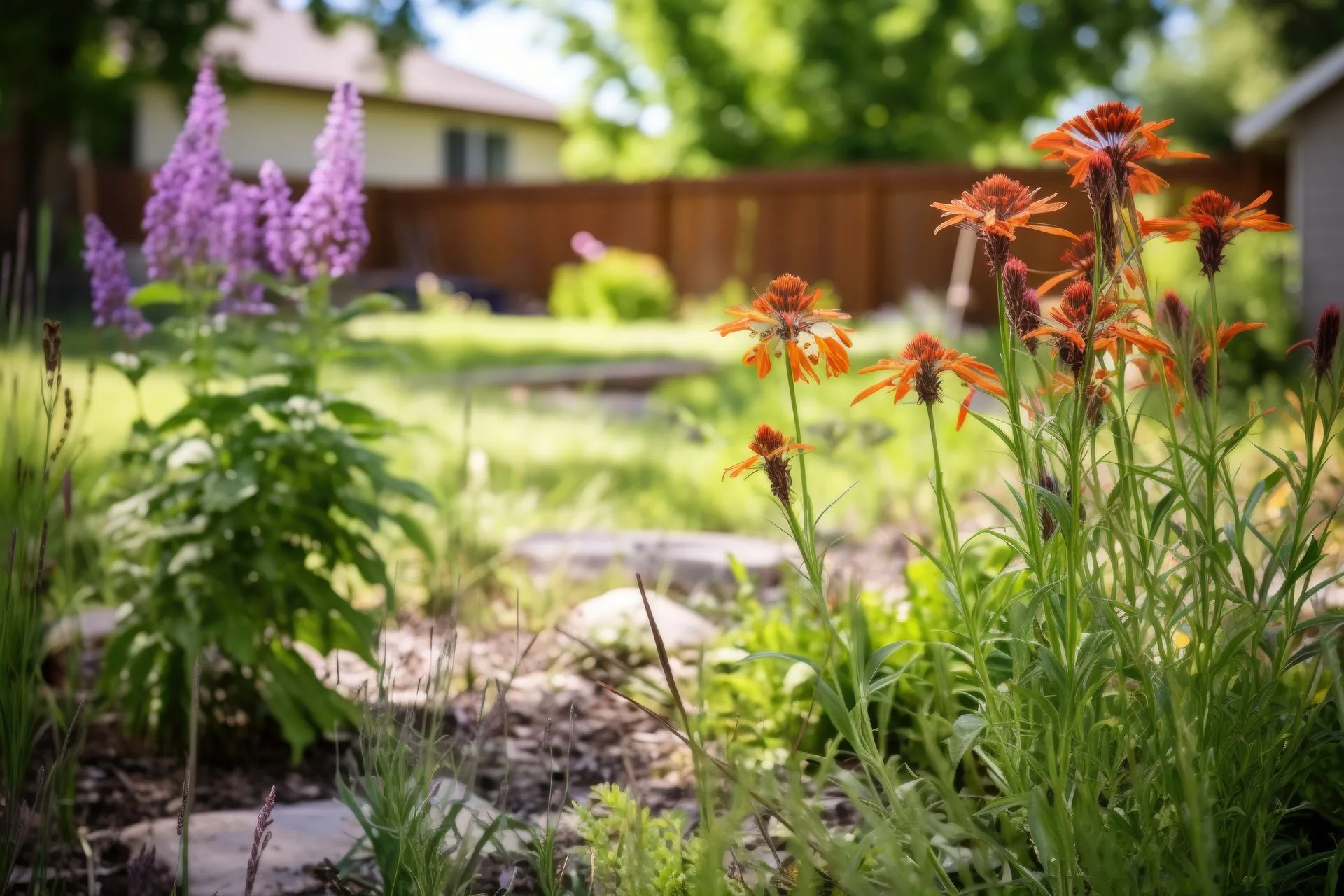
Want a garden that looks great and does not need babysitting? Try native plants. These are plants that grew in Pennsylvania long before anyone planted a lawn. They are used to our hot summers, cold winters and everything in between.
What are the best native plants for Harrisburg yards?
Great native plants for Harrisburg yards include butterfly weed, black-eyed Susan, New England aster, wild bergamot and columbine for flowers, plus grasses like switchgrass and little bluestem. Penn State Extension says natives are well-adapted to our climate, often need little or no extra water once established and help birds and butterflies.
Why go native?
- Less work. Native plants grew up here, so once they settle in, many need little or no extra water.
- Less fertilizer. Penn State says many native perennials like poorer soil and need little or no fertilizer.
- Food for wildlife. Native plants feed native insects, and those insects feed birds.
- Healthier soil. Deep roots help hold soil in place, which is handy on sloped yards near the Susquehanna.
Native picks for sunny spots
- Butterfly weed: bright orange flowers in early summer. It likes dry, sunny spots, and butterflies love it.
- Black-eyed Susan: cheery yellow flowers from mid-summer into fall.
- New England aster: purple-pink flowers late in the season, right up to frost.
- Wild bergamot (bee balm): lavender flowers in summer that bees and butterflies flock to.
- Switchgrass and little bluestem: tall native grasses that add movement and nice fall color.
Native picks for shady spots
- Wild columbine: red and yellow spring flowers for part shade.
- Wild geranium: soft pink flowers in spring for shade or part shade.
- Foamflower: a low, spreading plant with white spring flowers for moist shade.
- Virginia bluebells: blue spring flowers for moist, shady spots.
Tips for planting natives
- Match the plant to the spot. Check sun, shade and how wet or dry the soil stays.
- Water while they settle in. Even tough natives need regular water the first season.
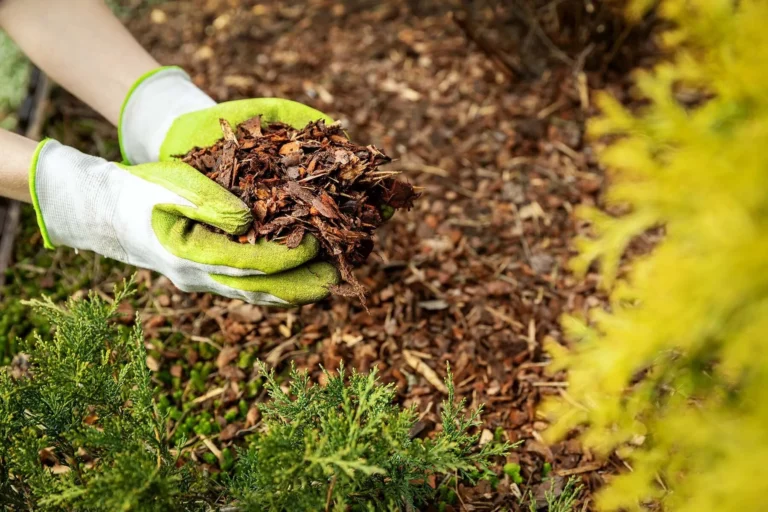
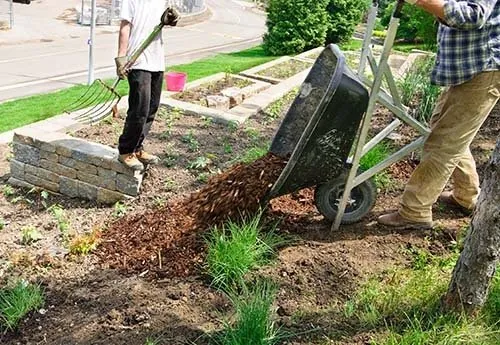
- Mulch lightly. A thin layer of mulch helps hold moisture and keeps weeds down.
- Be patient. Many perennials take a year or two to really fill in.
Quick answers
When should I plant native plants?
Spring and fall are both good times. Penn State notes that fall is a great time to plant many perennials because cooler weather helps roots grow.
Are native plants deer-proof?
No plant is totally deer-proof. Some natives are less tasty to deer than others, so ask before you buy if deer visit your yard.
Do native plants look messy?
They do not have to. Planting in groups, adding a clean edge and using mulch can make a native garden look neat and planned.
Want help planning a native garden?
We can help you pick plants that fit your yard and get them in the ground. See our landscaping services in Harrisburg, or call (223) 215-5199, Monday through Friday, 8am to 5pm.
Sources
- Penn State Extension – Incorporate Pennsylvania Native Perennial Plants into the Garden
- Penn State Extension – Is Fall for Planting?
- Penn State Extension – Black-Eyed Susan: Beautiful and Beneficial
- Penn State Extension – Rain Garden Plants: Wild Bergamot
- Penn State Extension – Warm-Season Grasses and Wildlife
- Penn State Extension – Underplanting Trees: Respect the Roots
- Penn State Master Gardeners, Dauphin County – Native Plant List for Planting for Pollinators
- Pennsylvania DCNR – Landscaping with Native Plants